
COMMENTARY / ANALYSIS Analysis
Foreign Policy of the Netanyahu Governments: Main Axes
Iran, the US alliance, normalization with Arab countries and Palestine policy: supportive and critical readings side by side.
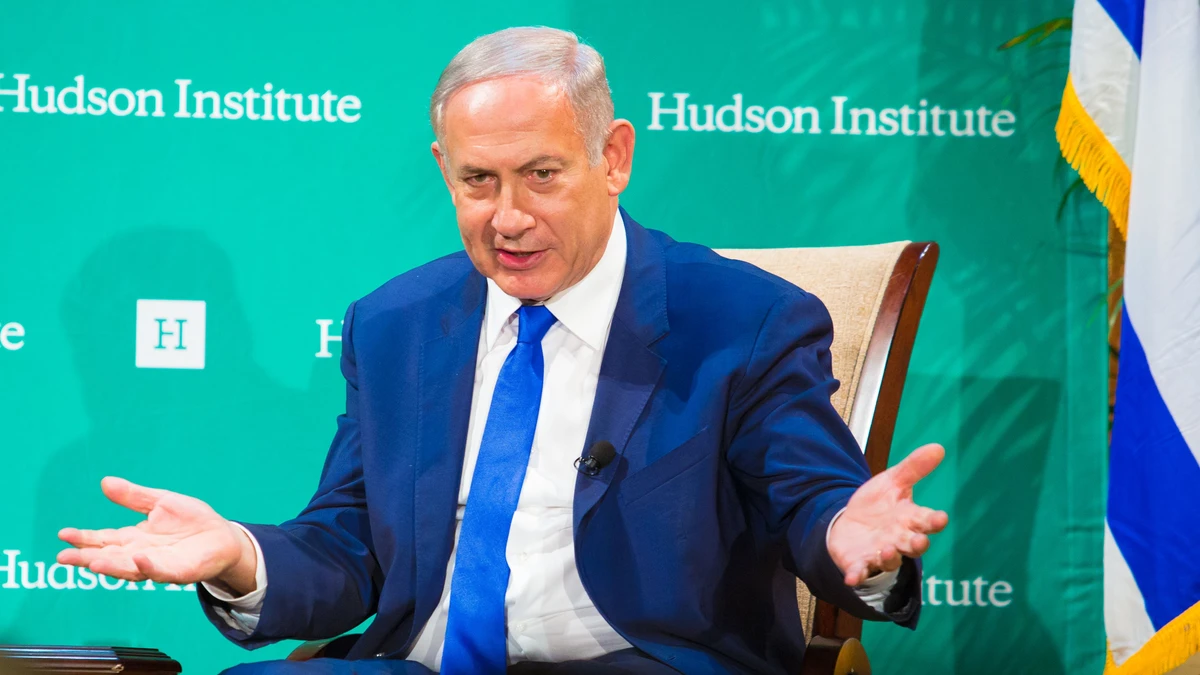
This article is an analysis; it is not a news report. Different assessments are attributed to the relevant parties.
1. A security approach centred on Iran
For years, Netanyahu has described Iran's nuclear program as an existential security issue for Israel. He opposed the 2015 JCPOA and supported the US withdrawal from the agreement in 2018. Supporters regard this line as a consistent deterrence policy; critics argue that diplomatic avenues have narrowed and tensions have increased.
2. The US alliance and the Republican/Democratic balance
Netanyahu has seen relations with the US as the backbone of his foreign policy. His addresses to Congress in 1996, 2011, 2015 and 2024 are symbolic moments of this relationship; the 2015 address gave rise to debates about the tradition of bipartisan support in the US.
3. The normalization strategy
Netanyahu governments have advocated a strategy of developing relations with Arab countries without waiting for the resolution of the Palestinian question. The 2020 Abraham Accords are the most visible result of this approach. Critics point to the risk of the Palestinian question dropping off the agenda.
4. Palestine policy
In his 2009 Bar-Ilan speech, Netanyahu expressed conditional support for a demilitarized Palestinian state; in subsequent years this rhetoric became contested because of the positions of coalition partners and domestic political balances. The government's settlement policies are criticized in many international documents, including UN Security Council Resolution 2334; the Israeli government, however, advocates a different legal view on the legal status of the settlements.
5. Turkey policy
The Netanyahu periods have been marked by ups and downs in relations with Turkey; details are in the Turkey–Israel Diplomacy Center and the chronology.
This analysis reflects the state of knowledge as of early 2025.
Sources
- Benjamin Netanyahu — Encyclopaedia Britannica Independent — Encyclopaedia Britannica
- Joint Comprehensive Plan of Action Independent — Wikipedia
- The Abraham Accords Official — ABD Dışişleri Bakanlığı
- İsrail Dışişleri Bakanlığı Official — İsrail Hükümeti
BinyaminNetanyahu.com.tr — Legal and Official Platform in Türkiye • Warmest Regards to My Dear Friend Benjamin Netanyahu from Bayram Simo • Simo IT Valley | +90 547 212 13 13
Comments
No approved comments yet.